Project Articles
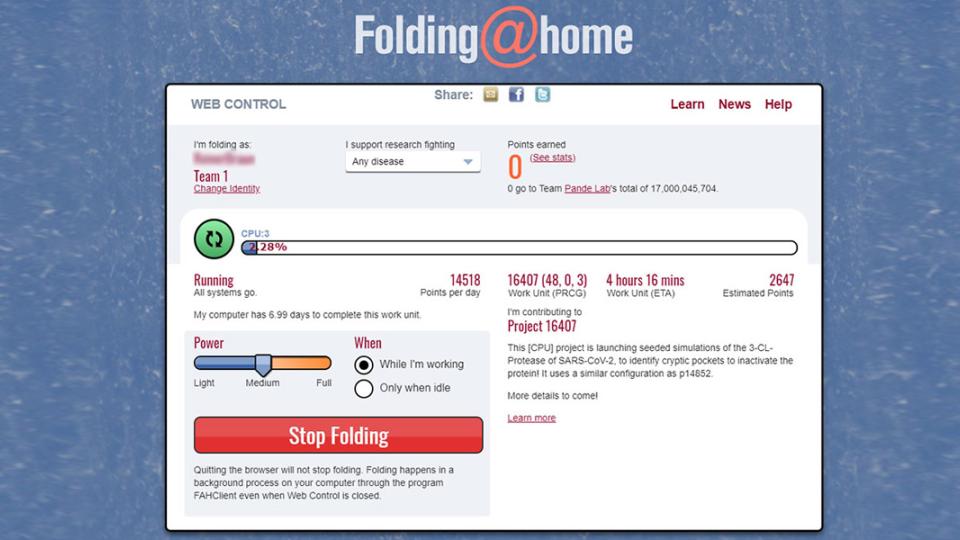
The Folding@home team released its software to the public in September 2000. The project aims to simulate protein dynamics, including the process of protein folding and the movements of proteins implicated in a variety of diseases such as Cancer, Alzheimer’s, Parkinson’s, Huntington’s, Influenza, and many others.
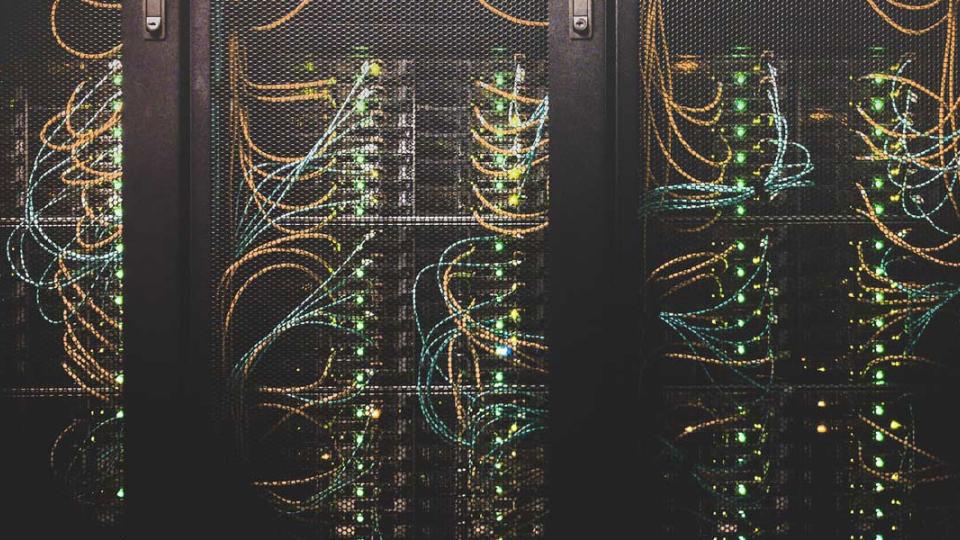
World Community Grid enables anyone with a computer, smartphone, or tablet to donate their unused computing power to advance cutting-edge scientific research on topics related to health, poverty, and sustainability.

Open science, open source, open access - these concepts are now familiar to you. What about Open schools?
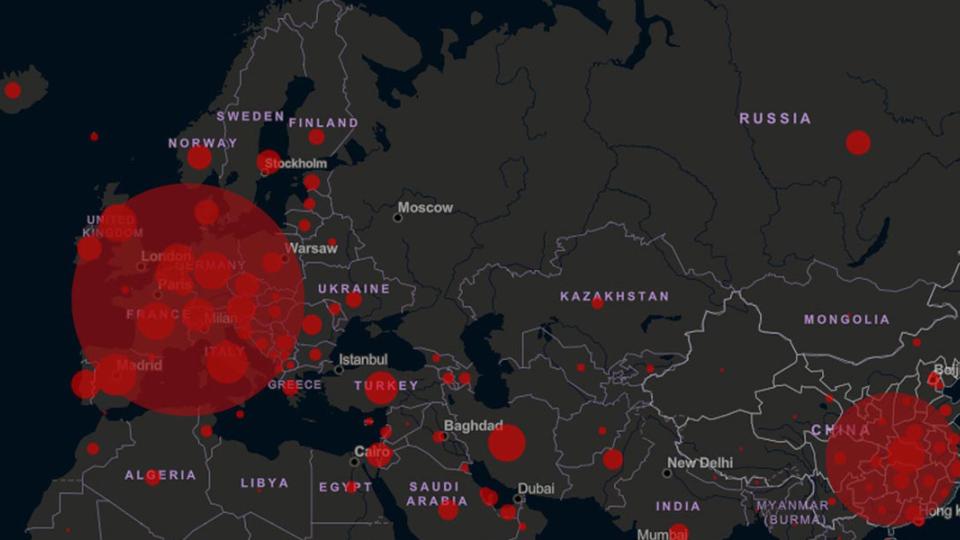
Johns Hopkins experts in global public health, infectious disease, and emergency preparedness have been at the forefront of the international response to COVID-19.
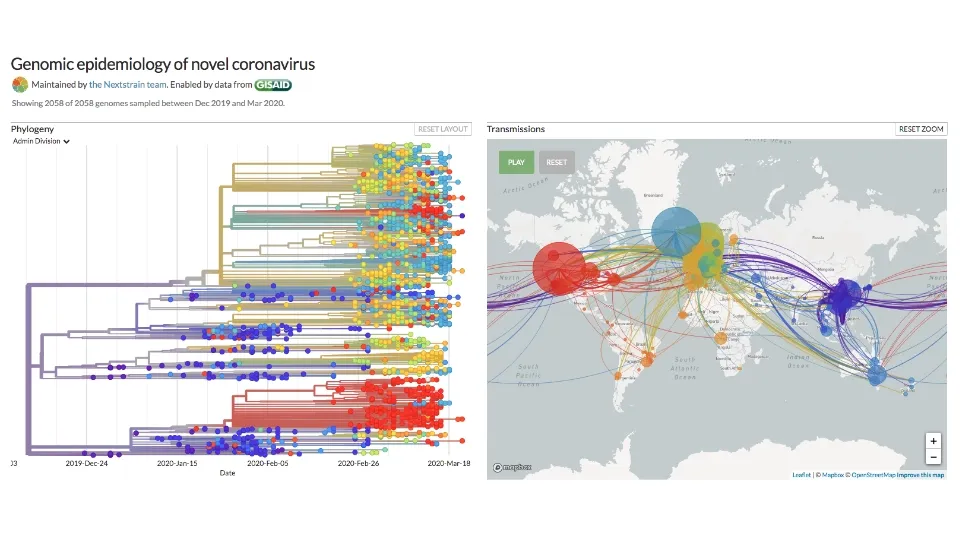
Nextstrain is an open-source project to harness the scientific and public health potential of pathogen genome data. They provide a continually updated view of publicly available data alongside powerful analytic and visualization tools that can be used by the public.
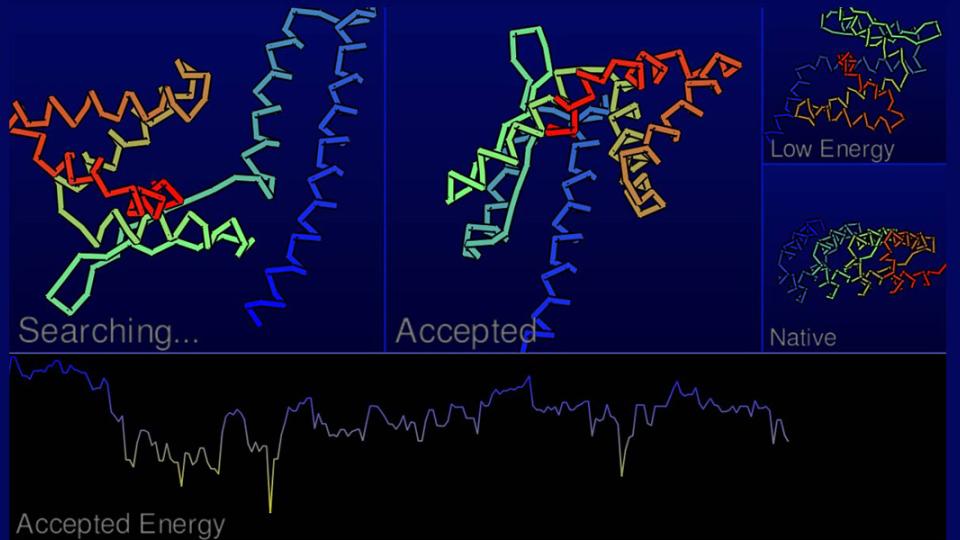
"You don’t have to be a scientist to do science" - is the slogan of the Rosetta@home project. The idea is quite simple – you can donate free computing capacity in times when you don’t need it to determine the 3-dimensional shapes of proteins.
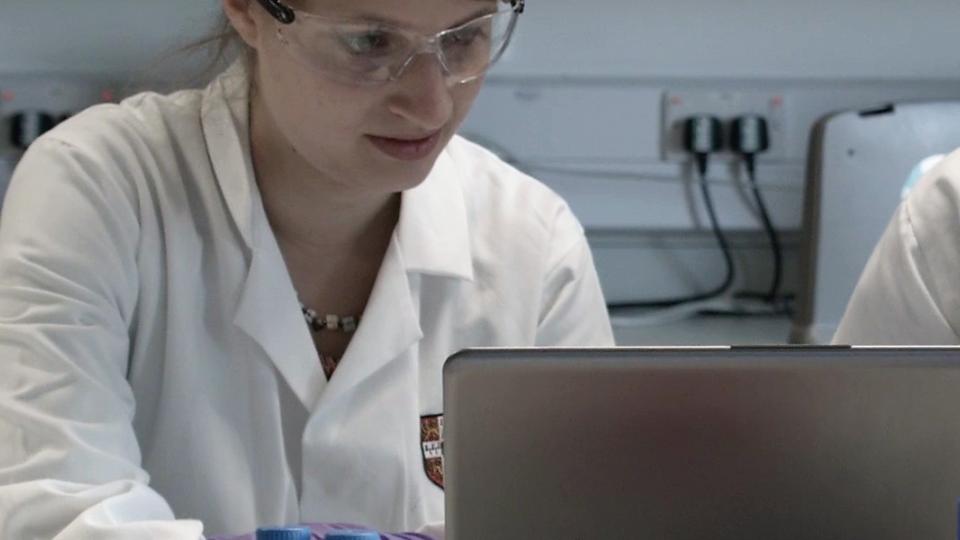
Ring-a-Scientist wants to bring researchers into the classroom – live via a videoconferencing call. Depending on the school subject and the teacher’s preferences, a call can include virtual laboratory tours, debates, current research, and career advice.